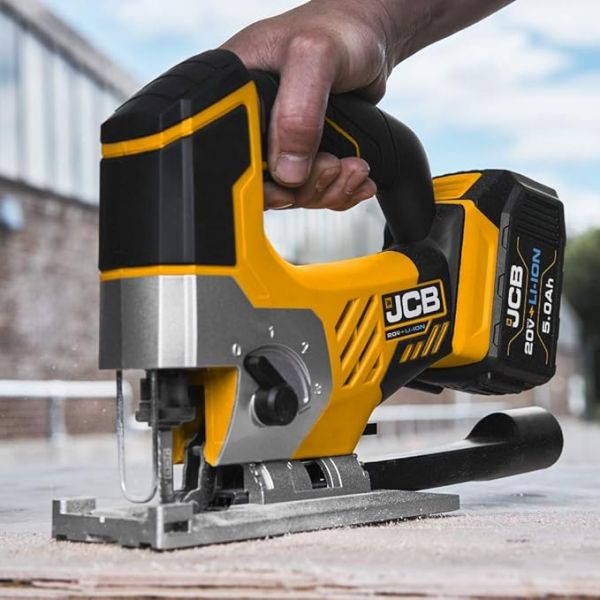
Master Jigsaw Techniques for Smooth and Precise Curved Cuts Every Time
-
- Selecting the Right Jigsaw Blade for Curve Cutting
- How to Properly Adjust Your Jigsaw for Precision Cuts
- Techniques for Steady Hand Control While Cutting Curves
- Choosing the Ideal Wood or Material for Curved Cuts
- Using Templates and Guides for Accuracy in Curved Cuts
- Maintenance Tips for Jigsaw Blades to Enhance Performance
- Q&A:
- What types of materials can I use these jigsaw tips on?
- How do I install the jigsaw tips onto my tool?
- Can these tips produce cuts with minimal splintering?
- Are these tips suitable for making intricate designs and curves?
- How do I clean and maintain the jigsaw tips?
- What types of materials can I cut using these jigsaw tips for clean, curved cuts?
- How do I maintain these jigsaw tips to ensure longevity and performance?
- Reviews

For flawless rounded shapes, always opt for a fine-toothed blade. This type minimizes splintering on wood surfaces while enhancing accuracy. Ensure your cutting speed is moderate; too fast can lead to uneven edges.
Utilize a steady guiding hand, securing your material with clamps. This prevents movement and allows for a smooth transition through intricate curves.
Implement a template for more complex designs, tracing it onto your material beforehand. This provides a clear path and enhances consistency in your work.
Regularly maintain your tool to ensure optimal performance. A sharp blade reduces resistance, resulting in cleaner transitions.
Lastly, practice on scrap material before tackling your final project to build confidence and refine your technique.
Selecting the Right Jigsaw Blade for Curve Cutting
Choose a blade with a fine tooth count specifically designed for intricate shapes. These blades minimize chipping on the wood's surface.
Consider the material of the blade:
- High-speed steel (HSS): Ideal for cutting hardwoods.
- Bi-metal: Combines flexibility and durability, suitable for a variety of projects.
- Carbide-tipped: Best for dense materials and prolonged use.
Look for a narrow blade width, typically 1/4 inch or less, to enhance maneuverability around tight bends.
Blade texture matters:
- Teeth Orientation: Upward-facing teeth reduce splintering.
- Type of Teeth: Reverse teeth help smooth the bottom side of the cut.
Ensure compatibility with your equipment. Check the shank type – either T-shank or U-shank – to confirm it fits securely.
Evaluate length; shorter blades work well for tight curves while longer options handle more extensive projects effectively.
Experimentation may be necessary to find the ideal blade for your specific materials and desired outcomes.
How to Properly Adjust Your Jigsaw for Precision Cuts
Ensure the blade is sharp and compatible with the material being cut. A dull or incorrect blade can lead to jagged edges and imprecise results.
Set the orbital action to a suitable level for your task. A more aggressive setting may be needed for faster cutting of softer materials, while a minimal setting aids in maintaining control for intricate shapes.
Check the speed settings. Adjust the RPM based on the density of the material; lower speeds work well for metals, while higher speeds suit wood and plastics.
Secure the workpiece firmly. Use clamps or a stable surface to prevent movement, enhancing stability during the cutting process.
Align the shoe plate correctly. Ensure it rests flat against the material to provide consistent depth and prevent blade binding.
Utilize a guide for complex cuts. This can be a straight edge or a template, ensuring accuracy and reducing the risk of errors.
Test the adjustments on scrap material before proceeding with the final piece. This practice allows for modifications and increases confidence in the settings.
Maintain clean cuts by routinely clearing debris from the cutting area. Accumulated dust can hinder visibility and affect precision.
Techniques for Steady Hand Control While Cutting Curves
Maintain a firm grip on the handle, ensuring your fingers wrap completely around it. This allows for maximum control and reduces the risk of slips during intricate movements.
Use a guide, such as a wooden block or ruler, clamped parallel to the cutting line. This provides stability and helps keep the blade aligned with the desired path.
Practice slow and steady movements. Rapid adjustments can lead to inaccuracies. Complete turns gradually, allowing the tool to naturally follow the curve.
Consider using a smaller blade for tight radii. Thinner blades bend more easily, making them ideal for sharper angles without forcing the material.
| Technique | Description |
|---|---|
| Grip | Keep fingers wrapped securely around the handle for enhanced stability. |
| Guide | Employ a clamped block or ruler for alignment along the cutting edge. |
| Speed | Maintain a slow, consistent pace to reduce errors. |
| Blade Selection | Opt for thinner blades for tighter turns and curves. |
Adjust your body positioning by standing comfortably at the workbench. An ergonomic stance minimizes fatigue and improves precision.
Regularly check for blade traction; if it feels stuck, avoid applying excessive pressure. Instead, backtrack slightly to free it without damaging the material.
Choosing the Ideal Wood or Material for Curved Cuts
Select flexible woods like cherry or basswood for intricate designs. These varieties offer a balance of strength and adaptability, allowing for smoother pathways.
Softwoods, such as pine or cedar, provide excellent maneuverability and are easier to shape. Their lighter weight enhances control during the process.
For more stability, consider plywood or MDF. Their durability makes them suitable for larger projects where precision in rounded sections is required.
Test materials with a sample cut to assess their response to the tool. This practice will help ensure the right balance between ease of shaping and finish quality.
Avoid excessively dense woods, as they can lead to increased wear on blades and unsatisfactory results. Seek out products that specify a fine grain for a tidy outcome.
Always maintain blades suited for specific materials. High-speed steel or carbide-tipped blades excel in handling various thicknesses and minimize splintering.
Using Templates and Guides for Accuracy in Curved Cuts

Employ rigid templates made from MDF or plywood to achieve precision. Cut your template to the desired shape using a band saw or scroll saw, ensuring smooth edges. Position it firmly on the workpiece, using clamps for stability.
Consider using a router with a flush trim bit to create identical curves on multiple pieces. Place the template on the material and let the router guide itself along the edge, generating perfect replicas.
For intricate designs, printed paper templates can be adhered to the workpiece with spray adhesive. Once the cut is completed, remove the paper by soaking it in water and gently peeling it off.
Utilize a circle cutter for consistent round shapes. Adjust the radius as needed for different sizes, ensuring uniformity across all cuts.
Add painter's tape along the cutting line to minimize chipping on plywood and laminate materials. This technique also serves to enhance visibility and tracking as you maneuver the cutting tool.
Use a jig or a guide block to help maintain a steady hand if freehand cutting is challenging. These aids will ensure your movements remain consistent, producing smoother arcs.
Take advantage of software applications that allow you to create and print precise shapes. This can streamline the preparation phase, allowing for replicability without extensive re-measuring.
Maintenance Tips for Jigsaw Blades to Enhance Performance
Regularly inspect the edges for wear or damage. A smooth edge guarantees optimal cutting abilities.
Clean blades after each use. Debris buildup can compromise precision, so gently remove dust and resin with a soft cloth or brush.
Store blades in a designated holder to prevent nicks and bends. Proper storage extends their lifespan significantly.
Avoid excessive pressure during operation. Let the tool do the work; unnecessary force causes premature wear.
Periodically lubricate the blade with a suitable oil. This minimizes friction and enhances cutting smoothness.
Replace blades when they show signs of dullness. Continuing to use worn blades affects both the quality and efficiency of cuts.
Use the appropriate blade for the material. Different materials require specific teeth configurations for optimal results.
Align the blade correctly before beginning any project. Misalignment can lead to jagged edges and inefficiency.
Keep the cutting area clean. A clutter-free workspace aids in maintaining focus and can enhance cutting accuracy.
Q&A:
What types of materials can I use these jigsaw tips on?
These jigsaw tips are designed for a variety of materials, including plywood, laminate, MDF, and even certain plastics. For best results, check the specific type of tip and ensure it matches the material you are working with. Using the correct tip helps achieve clean, curved cuts without damaging the material.
How do I install the jigsaw tips onto my tool?
Installing the jigsaw tips is straightforward. First, ensure your jigsaw is unplugged or the battery is removed. Open the blade clamp according to your jigsaw model's instructions. Next, insert the appropriate jigsaw tip into the clamp, ensuring it is positioned securely. Finally, tighten the clamp to hold the tip in place and check that it is stable before use.
Can these tips produce cuts with minimal splintering?
Yes, these jigsaw tips are specifically designed to produce clean cuts with minimal splintering. Their fine-toothed design reduces the risk of tearing the material along the cut line, resulting in a smoother finish. For optimal performance, take your time during the cutting process and avoid rushing the tool.
Are these tips suitable for making intricate designs and curves?
Absolutely! These jigsaw tips excel at making intricate designs and curves. Their unique shape and design allow for precision cutting, which is ideal for creating detailed patterns. When using them, it's best to move slowly and steadily around curves to maintain accuracy and finesse in your cuts.
How do I clean and maintain the jigsaw tips?
Maintaining your jigsaw tips is quite simple. After every use, ensure to clean them to remove any resin or debris. You can use a soft cloth or a brush to wipe off the residue. For storage, keep them in a dry place and consider using a protective case to prevent damage. Regular maintenance will help prolong the life and cutting performance of your tips.
What types of materials can I cut using these jigsaw tips for clean, curved cuts?
These jigsaw tips are designed to work with a variety of materials, including wood, plastic, and soft metals. For wood, they provide excellent control and finesse, allowing for smooth, curved cuts. In plastic, the tips minimize melting and chipping, while for soft metals, they ensure clean edges without excessive effort. It's always advisable to check the specific tip compatibility with your jigsaw and the material you're working with for the best results.
How do I maintain these jigsaw tips to ensure longevity and performance?
To maintain your jigsaw tips, it’s important to regularly clean them after each use. Remove any debris or resin buildup with a soft cloth or a brush. Store them in a dry, cool place to prevent rust or damage. Additionally, ensure that your jigsaw is operating at the correct speed settings to prevent wear on the tips. Periodically check for any signs of wear, and replace them if you notice any damage or if they start to produce rough cuts. Following these steps will help you get the most out of your jigsaw tips.
Reviews
Emily
I recently purchased the "Jigsaw Tips for Clean, Curved Cuts," and I couldn't be happier with my choice. As someone who enjoys crafting and DIY projects, having the right tools is vital for achieving neat results. These tips have really improved my cutting precision. The variety in the pack allows me to tackle different materials, from softwood to plastics, without any hassle. I found them easy to install and compatible with my jigsaw. The curved cuts were particularly impressive; the blades glided through the material smoothly, leaving a clean edge that I was proud of. What I appreciated the most was the reduction in splintering. My projects now look polished without those rough edges that often bothered me. If you're looking for a way to enhance your crafting experience, I highly recommend giving these tips a try. They have certainly made a noticeable difference in my work.
SunnyBee
I recently purchased the "Jigsaw Tips for Clean, Curved Cuts," and I have to say, I’m really pleased with their performance. As someone who loves DIY projects, these tips have made cutting curves so much easier and cleaner than before. They fit perfectly on my jigsaw, and I noticed a significant difference in accuracy. The material feels durable, and I’ve already completed several projects without any signs of wear. What I appreciate the most is how smooth the cuts are; they save me time on sanding edges afterward. I also like the variety of sizes available, which lets me tackle different designs without needing to switch tools. Whether I'm working on furniture or small crafts, these tips have become a go-to in my toolkit. If you're looking to enhance your cutting precision, I definitely recommend giving these a try. Their performance has exceeded my expectations and has made my crafting experiences much more enjoyable.
Matthew
I recently purchased the "Jigsaw Tips for Clean, Curved Cuts" and I’m quite pleased with the performance. These tips make it easier to achieve precise curves, which is exactly what I needed for my woodworking projects. The installation was straightforward, and I appreciated the variety of shapes available. I tested them on different materials, including plywood and MDF, and the results were consistently clean. What I found most impressive was how well they handled tight radii without splintering the edges. It saved me time on sanding and finishing, which was a big plus. They seem to be durable, and I haven't experienced any wear after multiple uses. If you’re looking to improve the quality of your cuts and reduce material waste, these tips are a solid choice. I’d recommend them to anyone who does detailed work with a jigsaw and wants to elevate their craftsmanship. Overall, a worthwhile investment for my toolkit!
Anna
I recently purchased the Jigsaw Tips for Clean, Curved Cuts, and I have to say I’m impressed! These tips make it incredibly easy to achieve smooth, precise curves in my woodworking projects. I've tried other blades before, but these stand out for their ability to glide through various materials without splintering. Installation was a breeze, and they fit perfectly with my jigsaw. I love the versatility—they work well on both wood and plastic, which is a big plus for my crafting needs. I noticed that I can create more intricate designs, which has really taken my projects to a new level. The finish is clean and professional-looking, and I appreciate not having to sand as much afterward. Whether you're a hobbyist like me or someone with more experience, I highly recommend these tips. They have definitely improved my cutting game and made my work more enjoyable.
Lucas
I recently purchased the "Jigsaw Tips for Clean, Curved Cuts," and I'm quite satisfied with the results. These tips are a game changer for anyone looking to achieve smooth curves and intricate designs in their woodworking projects. Installation is straightforward; they fit right onto my jigsaw without needing any modifications. I was pleasantly surprised by the precision they offer—the cuts are clean and require minimal sanding afterward. I tried them on various materials, including plywood and MDF, and they performed exceptionally well. The variety of sizes included in the set allows for versatility in my projects. I tackled some challenging shapes and was impressed with how easily the tips handled tight curves. If you're involved in DIY or professional woodworking, I highly recommend giving these tips a try. They have certainly improved my cutting skills and made my projects look much more polished. A solid investment for anyone looking to elevate their craftsmanship.
Michael Johnson
I recently purchased the Jigsaw Tips for Clean, Curved Cuts, and I have to say, they exceeded my expectations. The installation was straightforward, and they fit perfectly with my jigsaw. Right from the first use, I noticed the difference. The cuts are smooth and precise, allowing me to tackle intricate designs without any hassles. The tips have held up well even after multiple projects. I’ve used them on various materials like wood and laminate, and the performance has been consistent. They glide through without chipping or splintering, which is crucial for clean edges. I also appreciate the range of tips available in the set. Having different options for different tasks has made my projects more manageable and enjoyable. If you’re looking to improve your jigsaw experience and achieve better cuts, these tips are definitely worth considering. Highly recommend for anyone who works on DIY projects or woodworking!
Ethan
I recently bought the "Jigsaw Tips for Clean, Curved Cuts" and I must say, they exceeded my expectations. The quality of the tips is impressive, allowing me to achieve smooth and precise cuts in various materials. I've used them on wood and plastic, and the results have been fantastic. Installation was straightforward, fitting perfectly onto my jigsaw without any trouble. The tips made it easy to navigate through curves, giving my projects a professional finish. I also appreciated how durable they are; after several uses, there’s minimal wear noticeable. One of my favorite features is the ability to cut intricate designs without splintering the edges. This has saved me time on sanding down rough cuts, which can be a hassle. I highly recommend these jigsaw tips to anyone looking to improve their cutting skills. They have definitely made my woodworking projects more enjoyable and rewarding. A solid investment for any DIY enthusiast!